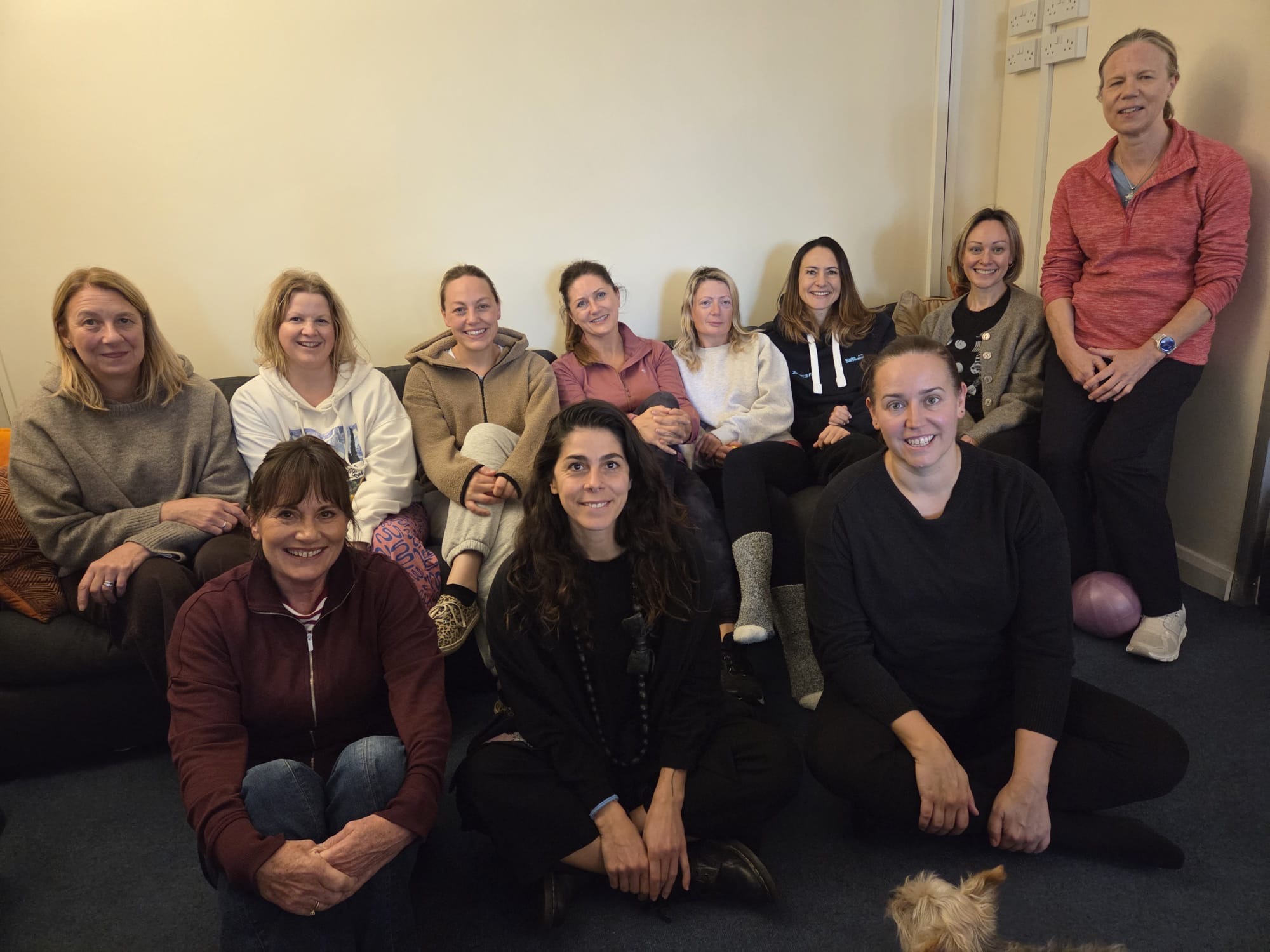
I have recently qualified as a certified oncology massage therapist. I trained with the North London School of Massage (NLSSM). The course consisted of three days practical workshops and various online lectures, videos and assignments.
Why did I choose certified training in oncology massage?
According to Cancer Research UK nearly 50% of people born in the UK after 1960 will be diagnosed with some form of cancer during their lifetime. As a soft tissue therapist of fourteen years, this shocking statistic motivated me to equip myself with the necessary skill set and knowledge to support those living with or having recovered from cancer. Having experienced breast cancer myself in 2024, I understand that physical and mental recovery takes time and support.
What is oncology massage?
Oncology massage is part of an integrative approach to cancer care. The Society for Integrative Oncology describes it as a patient-centred, evidence-informed approach that combines conventional cancer treatment with supportive practices such as mind and body therapies, natural products and lifestyle changes.
An oncology massage therapist is trained to recognise contraindications and understand when treatment needs to be adapted or postponed. They can also signpost clients to other professionals when additional support may be helpful, such as a GP, counsellor, nutritionist or suitably qualified movement or yoga teacher.
Ultimately, oncology massage takes a whole-person approach. It is about meeting someone where they are and providing compassionate support alongside their cancer care.
What are the benefits of oncology massage?
Massage therapy stimulates the immune response in the body, which alongside conventional therapies, contributes to healing and recovery. Improved immunity should also mean less chance of a recurrence.
Oncology massage is proven to help reduce perceived levels of pain. This leads to improved quality of life, which is essential at any point in a client’s cancer experience.
Massage therapy relieves muscle soreness and helps wounds to heal by stimulating lymphatic flow. It helps break down adhesions and scar tissue and improves the motility and elasticity of tissues. It also helps improve the range of motion in associated limbs or joints e.g. in the pectoralis muscles post breast cancer or in the hip joint following abdominal surgery.
Side-effects from chemotherapy, radiotherapy or medication such as nausea, fatigue and aches and pains can be greatly reduced. Symptoms of peripheral neuropathy (induced by chemo) can be soothed.
Above all, massage promotes feelings of well-being such as relaxation, improved digestive function, better sleep and a more optimistic outlook. This physical and emotional support is paramount in all stages of the cancer journey.
How will I apply the skills I have learnt?
Having completed the oncology course, I find I am already implementing many of the techniques and approaches into my treatments. Many of the modifications are useful for all clients, not exclusively oncology clients. The skills will be of particular use for anyone post-operative e.g. having had a recent hip or knee replacement or other surgical intervention, or for anyone living with a chronic condition or illness.
Whether you are living with cancer, or indeed anything else that massage therapy may help with, please get in touch.


Leave a Reply