When you are looking for some sort of manual therapy, it is sometimes hard to know who to turn to. The wide range of titles used by therapists is baffling and most people would struggle to differentiate. If you are interested in a brief definition of these titles (e.g., Sports Therapist, Massage Therapist, Deep Tissue Therapist, Soft Tissue Therapist etc), click on the link to the Institute of Soft Tissue Therapy (ISRM).
According to the ISRM a Soft Tissue Therapist “works independently to assess, treat, and offer rehabilitation advice for people suffering a wide range of minor and chronic injuries caused by any lifestyle factor. As well as treating the injury they aim to identify the underlying causes and offer more long-term improvements in physical wellbeing”
– ISRM
Soft Tissue Therapy (STT) evolved from Sports and Remedial Massage Therapy. STT is an umbrella term encapsulating a range of hands-on treatment techniques. It therefore better describes what we as therapists do and it avoids potential confusion surrounding the term “Sports Massage”. Non-sporty clients can be put off by “Sports”, which does not adequately describe the range of people and conditions we treat. Equally, “massage” does not reflect the level of qualification or clinical skills required by Soft Tissue Therapists. These have developed their assessment and treatment skills beyond the core discipline of massage, which is just one intervention amongst many.
What are the benefits of Soft Tissue Therapy?
Soft Tissue Therapy (STT) promotes healing and helps reduce aches and pains, whether they be from the repetitive stresses of daily life, from injury, sport, or from illness. Modern lifestyles are more sedentary than ever, involving long periods of sitting. STT may improve circulation and lymphatic flow. It addresses occupational tightness and dysfunction in the body, reducing the impact on physical and mental health. It helps improve muscle tone and remodels scar tissue when required. STT is suitable for anyone at any age who wants to live free of musculoskeletal aches and pains.
Regular treatment (along with remedial exercises where required) supports the client’s return to daily activities or sport. It encourages improvements in posture, function, and breathing, and mitigates the risk of (further) injury. It may help reduce symptoms of stress, anxiety, and high blood pressure.
Soft Tissue Therapy techniques at Springhead Sports Massage
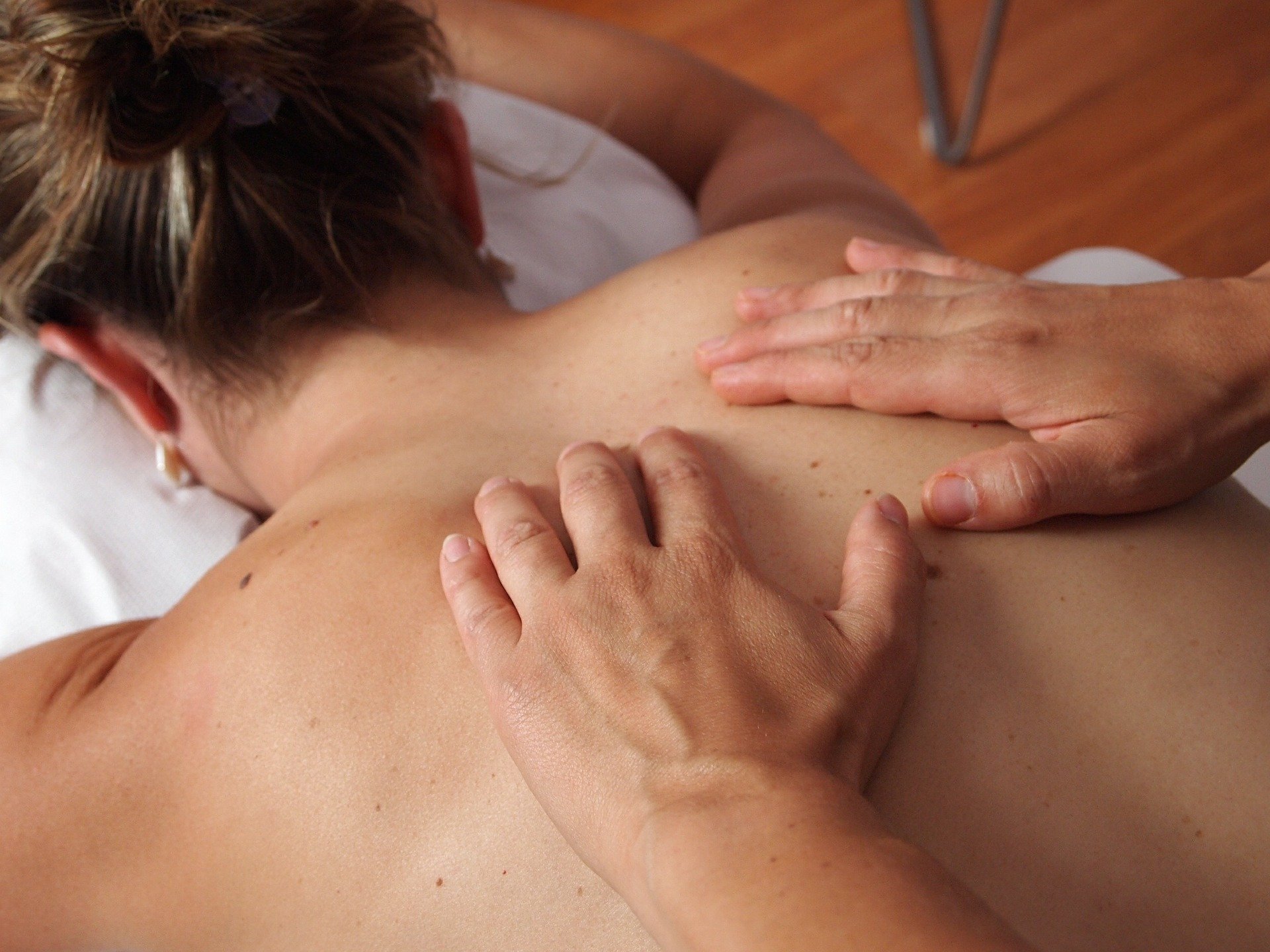
Following a thorough assessment, various hands-on techniques are used, including a blend of deep and superficial massage, as well as Soft Tissue Release (STR). Also known as “Pin & Stretch”, STR is a versatile technique to release areas of scar tissue and adhesions and restore elasticity to the muscles.
Clinical stretching is applied where needed: Muscle Energy Technique (MET) uses a muscle’s own energy in the form of gentle isometric contractions to relax and lengthen the muscles. This technique is most effective when followed up by regular stretches by the client. Where needed, these are demonstrated and practised during the appointment.
I am personally a huge advocate and practitioner of Integrated Myofascial Therapy, which I have been applying in my treatments since 2017. This was not part of my original training, but a post-graduate qualification, enabling me to work not just muscles, ligaments, and joints, but also the fascial structures surrounding these. Myofascial Release (MFR) is a gentle yet highly effective hands-on therapy to release restrictions or adhesions in connective tissue (fascia) that may be causing pain or dysfunction. MFR is an excellent tool for addressing postural or functional imbalances in the body, as well as for calming inflammatory processes and releasing trauma.
Soft Tissue Therapy is holistic, dealing with the whole person and not just the health condition or injury. To this end, lifestyle factors are considered, and a multidisciplinary approach is advised where appropriate (physiotherapy, podiatry, osteopathy etc).
After treatment, people sometimes report having better body awareness, improved physical and emotional well-being, and increased energy levels.
I never stop learning new soft tissue skills. In October I will be attending a two-day course with the Bristol School of Massage and Bodywork: Fascia for Sport (run by Myofascial Release UK). I will let you know how I get on!
 Springhead Sports Massage
Leave a comment