These are Mary Poppins’ words to Michael in the 1964 version of the eponymous film. The term “good posture” conjures up such images, makes us sit bolt upright and feel guilty for slumping.
Stand up for your health
Yet did you know that when our posture changes, for example when the upper back becomes curved (kyphosis), the size of the abdominal cavity is reduced, and also the space for our internal organs? This will inhibit the diaphragm and affect breathing patterns. Ultimately this leads to pain and dysfunction in the neck and back.
Since qualifying at the LSSM in 2013, I have been on various additional courses and acquired numerous treatment approaches and tools in my belt. The skill is knowing when to apply which tool.
Postural and Movement Assessment
I recently enrolled on two courses with the North London School of Sports Massage. The first, Postural Assessment, was good revision of how to assess the static body. The course included the theories and physiology behind postural deterioration, using clinical tests and hands-on skills to provide an overview of postural patterns in the body.
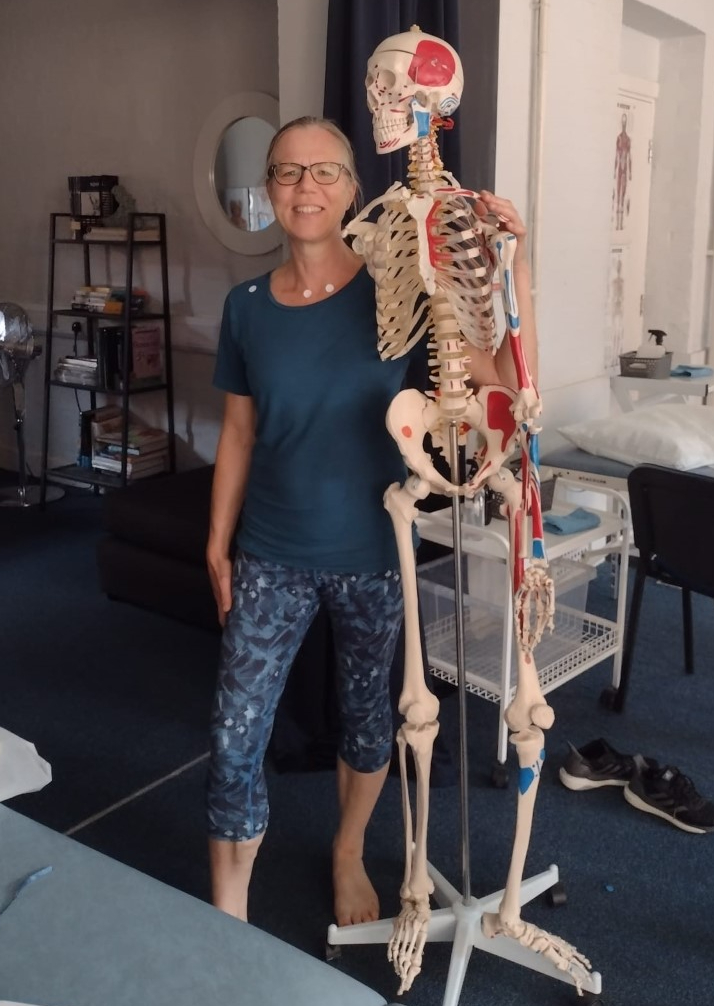
It is with some trepidation that I enrolled on the subsequent course: Biomechanics and Biotensegrity. The title alone recalled the horror of physics lessons at school (not my strongest subject). However, the course was a practical approach to assessing movement in the body and analysing how restrictions in movement lead to pain and dysfunction. The course was hands-on, accessible, and helpful. We analysed quality of movement, areas of stiffness and imbalances throughout the body. Most importantly, we learnt how to apply this information about the dynamic body to a focused treatment plan for longer lasting results.
My treatments consequently observe patterns of movement and tension in the body and assess how any issues can be resolved using advanced massage techniques.
So Head up, don’t slouch! (I think that Mary Poppins knew a thing or two.)
 Springhead Sports Massage
Leave a comment